A mandatory Soviet farm assignment, a chance conversation, and the unlikely chain of events that led me to my husband.
When I was growing up in the Soviet Union, engineers and other professionals were sometimes required to take “trips” to collective farms to help bring in the harvest. It was a terrible use of highly trained technical talent, but that was the Soviet Union for you.
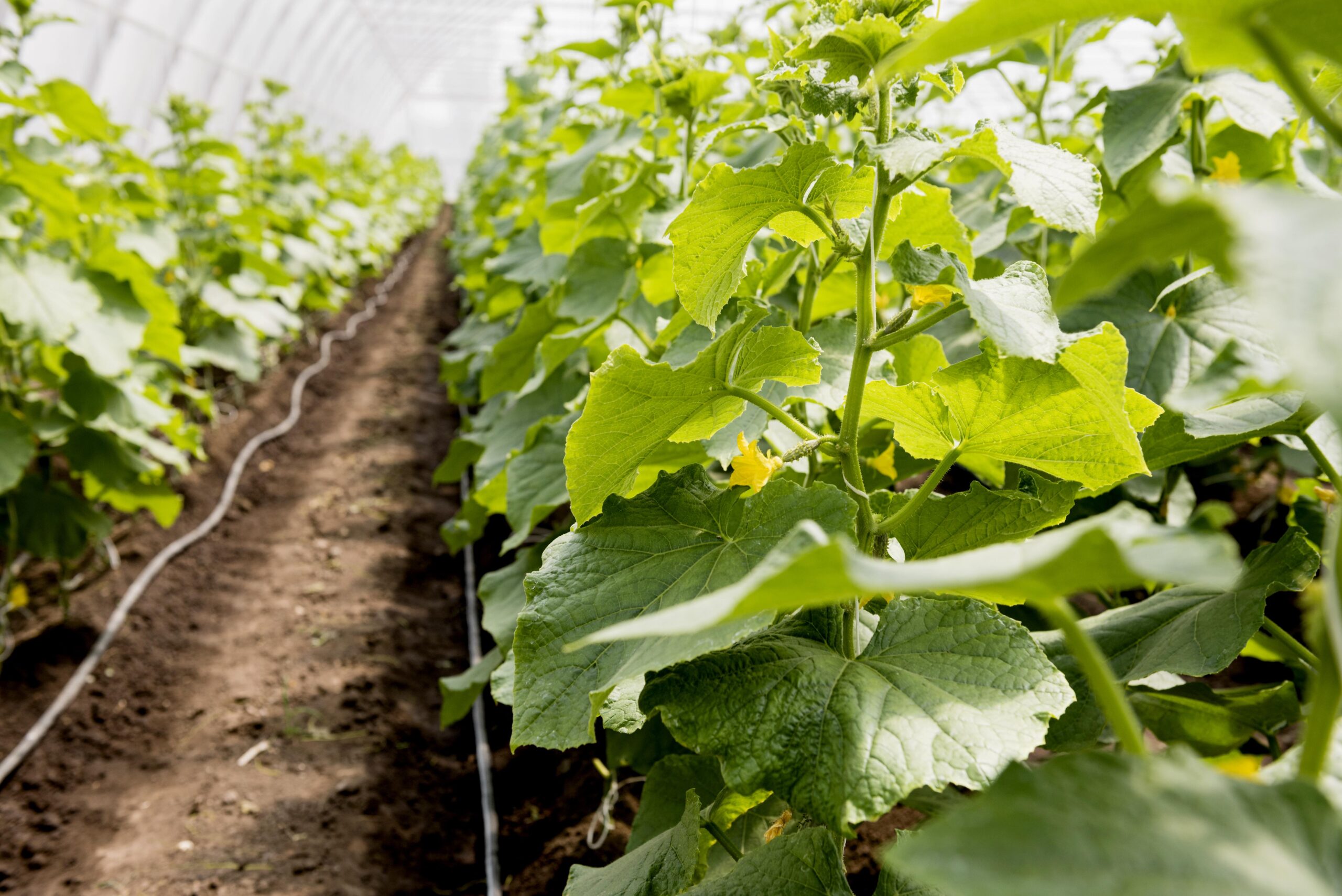
One summer, my mother’s engineering team was sent to a collective farm and given a cucumber-picking quota. I wanted my mother to finish her share faster, so I volunteered to go with her and help.
While we were picking cucumbers, I met a young woman who had recently graduated from college. She had gotten an engineering job with an excellent company and a very good salary. She looked and sounded like someone who was living her best life and that left an impression on me.
I did not make any dramatic decisions while standing in that cucumber field, but the conversation planted a seed in my mind.
Years later, when it was time for me to choose a college, I still did not know exactly what I wanted to do. I only knew that it should be something technical or engineering-related, definitely not in the humanities. I had only a few colleges under consideration, so I went to visit them.
The college the young woman had attended had recently been renovated. The building was bright, welcoming, and full of possibility. Another college I visited was old, run-down, and not particularly inviting. Since I did not yet have a strong preference for a specific technical field, the condition of the building influenced my decision more than anyone designing a college admissions strategy might care to admit.
I chose the welcoming college.
It happened to be the same college my future husband, Boris, had graduated from ten years earlier.
Eventually, I was assigned to Boris, who was part of a team of engineers responsible for visiting Kyiv’s many district-heating boiler plants on a rotating schedule and tuning their equipment. He was supposed to teach me how to use a combustion analyzer and participate in that work.
I did learn how to operate the equipment, but the assignment turned out to have considerably more long-term value than anyone had included in the training plan.
Boris and I met in July.
He proposed in September.
We married in December.
We have now been married for 33 years.
I did not recognize the full chain of events until decades later. During the Leadership and Innovation course in my MIT certification program, one of our assignments was to identify and share the pivotal moments in our lives.
I started thinking backward, tracing one decision to the one before it.
Eventually, I arrived back at that cucumber field.
A conversation with a stranger influenced the college I chose. That college led me to a work assignment. That assignment introduced me to Boris. Meeting Boris changed nearly every part of the life that followed.
At the time, I was simply helping my mother finish her share of a mandatory Soviet cucumber-picking quota.
Only years later could I see that the decision to join her had quietly changed the trajectory of my life.
I wonder how many of the most important moments in our lives look completely ordinary while we’re living them.
What moment only revealed its significance years later?